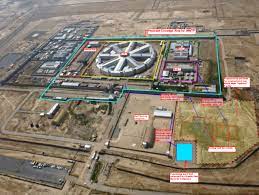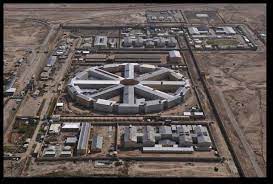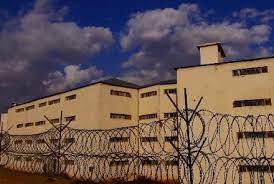
The renovation of Poli Charkhi Prison project involves the
refurbishment and improvement of the Poli Charkhi Prison facility. The project
aims to enhance the infrastructure, security, and living conditions within the
prison, ultimately improving the well-being and safety of both staff and
inmates.
Key aspects and
considerations for the renovation of Poli Charkhi Prison project may include:
1. Facility Assessment:
Conducting a comprehensive assessment of the existing prison facility to
identify areas in need of renovation or repair. This includes evaluating the
condition of buildings, security systems, utilities, and other essential
infrastructure.
2. Design and Planning:
Engaging architects, engineers, and other professionals to develop renovation
plans and designs that address the identified issues and align with the goals
of the project. This may involve improving the layout, optimizing space
utilization, enhancing security measures, and ensuring compliance with relevant
regulations and standards.
3. Infrastructure
Upgrades: Upgrading or replacing key infrastructure components such as
electrical systems, plumbing, ventilation, and fire safety systems. These
upgrades are essential for improving functionality, energy efficiency, and
overall safety within the prison facility.
4. Security Enhancements:
Implementing security measures to enhance the safety and control within the
prison. This may include the installation or upgrading of surveillance systems,
access control mechanisms, perimeter security, and inmate management systems.
5. Living Conditions
Improvement: Improving living conditions for inmates, including renovation or
construction of cells, dormitories, common areas, and recreational spaces. The
aim is to create a humane and rehabilitative environment that promotes well-being
and reduces the risk of conflicts.
6. Sustainability and
Efficiency: Incorporating sustainable and energy-efficient design principles
into the renovation project. This may involve utilizing renewable energy
sources, optimizing water usage, and integrating environmentally friendly
materials and practices.
7. Compliance and Safety:
Ensuring compliance with relevant local laws, regulations, and international
standards related to prison facilities. This includes meeting health and safety
requirements, accessibility standards, and guidelines for humane treatment of
inmates.
8. Project Management:
Establishing a project management framework to oversee the entire renovation
process. This includes coordinating various stakeholders, managing budgets and
timelines, procuring necessary resources, and ensuring effective communication
throughout the project's lifecycle.
9. Training and Capacity
Building: Providing training and capacity-building programs for staff members
involved in the operation and management of the renovated facility. This
ensures they are equipped with the necessary skills and knowledge to
effectively utilize the upgraded infrastructure and maintain the improved
standards within the prison.
10.
Stakeholder Engagement: Engaging relevant stakeholders,
including prison administration, staff, inmates, and community members,
throughout the project. Their input and feedback can contribute to a more
successful renovation process and ensure the project meets the needs and
expectations of all involved parties.
The renovation of Poli Charkhi Prison project aims to create a safer and more humane environment within the facility, ultimately supporting the rehabilitation and reintegration
of inmates back into society. It was required careful planning, coordination, and execution to achieve the desired outcomes while adhering to legal and ethical standards.
Client Name |
US Department of State |
Client Company |
INL |
Project Start Date |
2009-07-30 |
Project End Date |
2010-11-05 |

Shahre Naw
Kabul, Afghanistan


Monday-Friday (9:00 AM - 5:00 PM)
Saturday and Sunday: Off