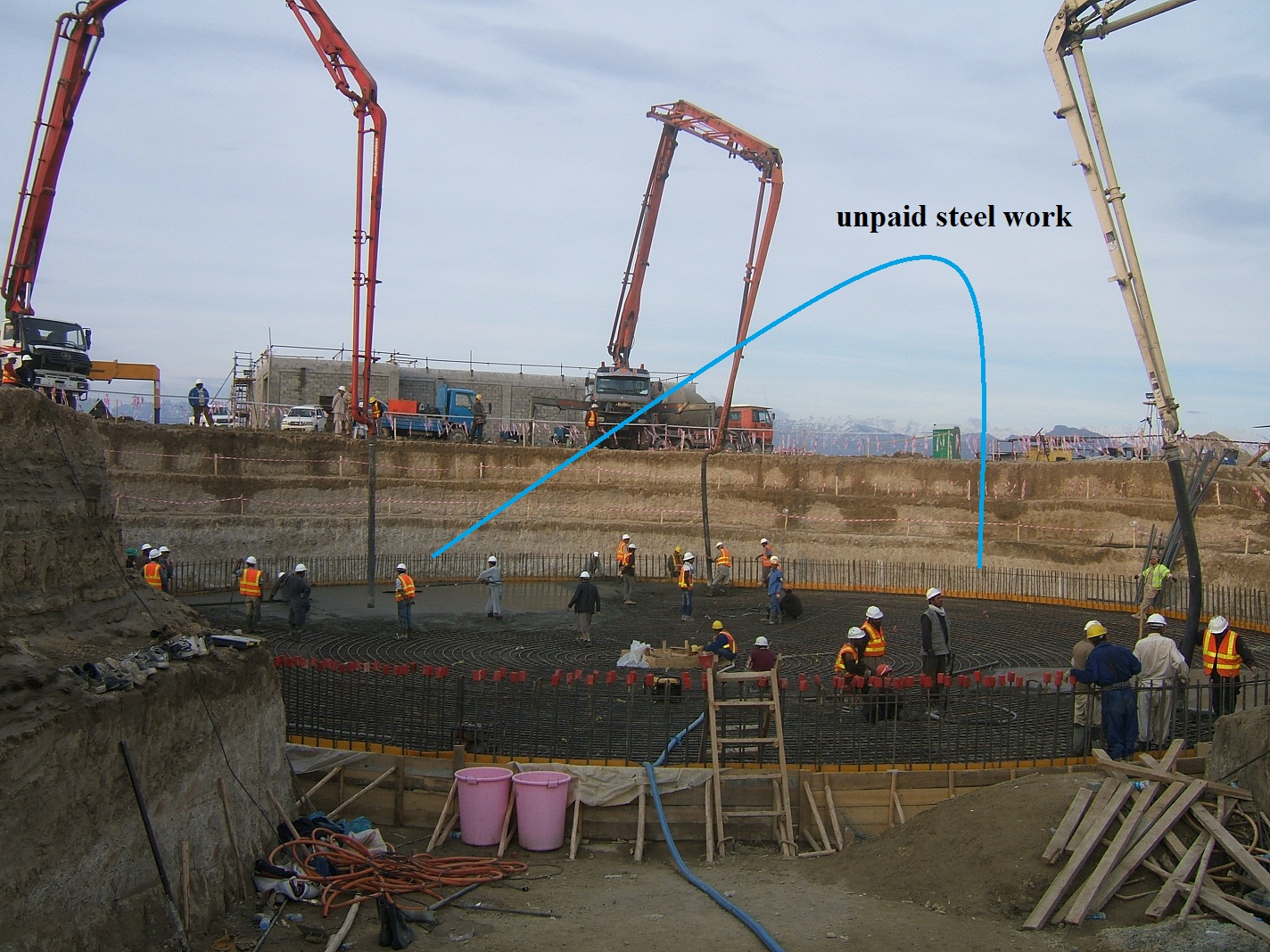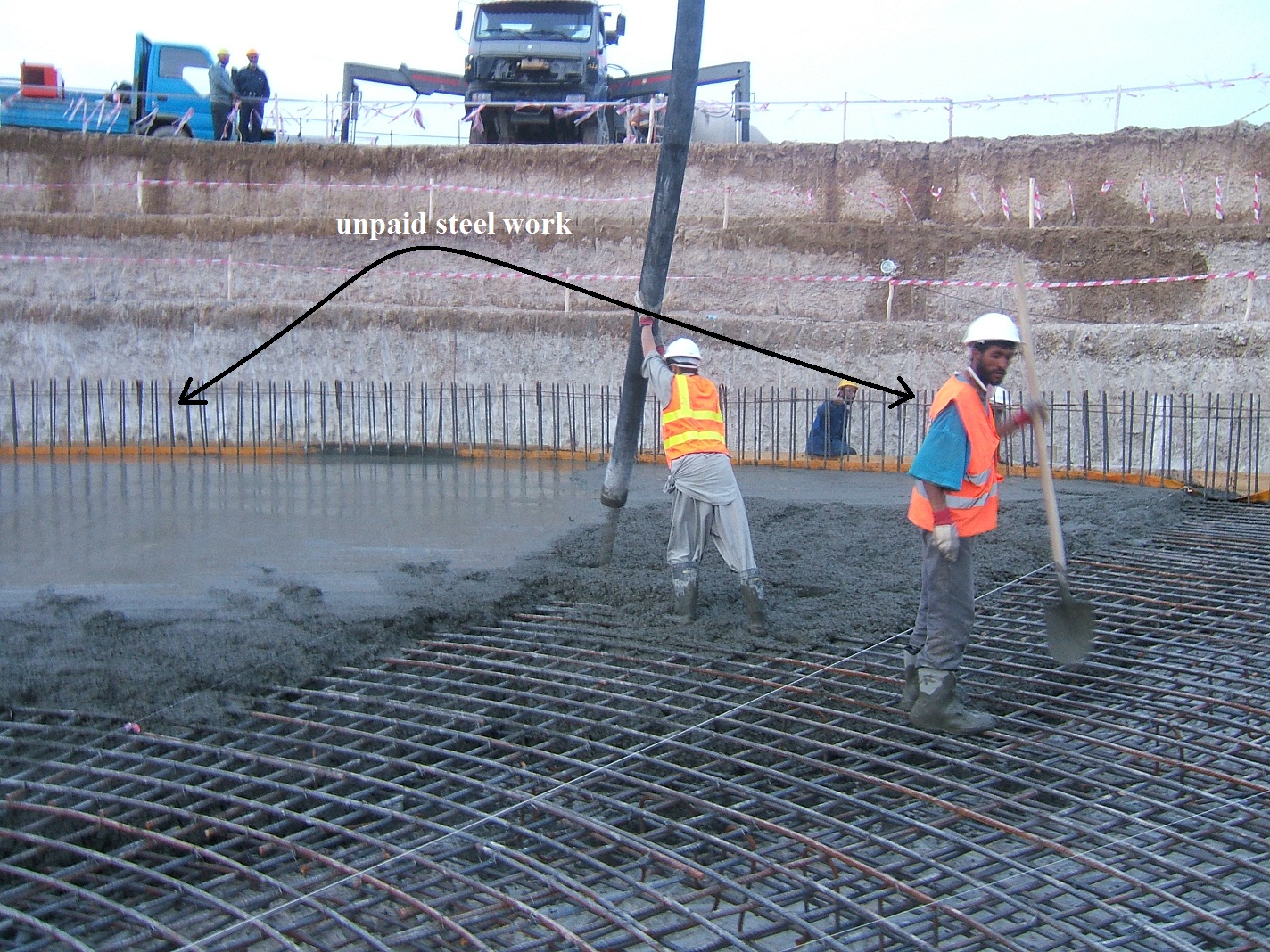
Constructing an
underground concrete fuel tank in Bagram Airfield (BAF), Afghanistan, involves
specific considerations due to the location and purpose of the facility. Here
are some key steps and factors to consider:
1.
Design and Engineering:
Engage qualified engineers and designers experienced in fuel
storage systems to develop the design and specifications for the underground concrete
fuel tank. Consider factors such as capacity, location, depth, dimensions, and
required safety measures.
2.
Permitting
and Compliance:
Obtain the necessary permits and approvals from local
authorities and regulatory bodies. Ensure compliance with relevant building
codes, environmental regulations, and safety standards for fuel storage
facilities.
3.
Site Preparation:
Prepare the construction site by clearing the area, excavating
the ground, and ensuring proper drainage. Consider soil conditions, groundwater
levels, and any necessary measures for groundwater protection.
4.
Excavation and Ground Preparation:
Excavate the area to the required depth and dimensions for the
fuel tank installation. Ensure proper soil compaction and stabilization to
provide a stable foundation for the tank.
5.
Construction Techniques:
Employ proper construction techniques for underground fuel
tanks, including reinforced concrete structures. Ensure that the tank is
designed and built to withstand the anticipated loads, including the weight of
the fuel, soil pressures, and potential environmental factors.
6.
Safety and Environmental Considerations:
Implement appropriate safety measures, such as fire protection
systems, leak detection systems, and ventilation requirements. Comply with
environmental regulations to prevent soil and groundwater contamination.
7.
Installation and Testing:
Install the underground concrete fuel tank according to the
design specifications. Conduct rigorous testing, such as hydrostatic testing,
to ensure the tank's integrity, tightness, and resistance to leaks.
8.
Fuel Delivery and Distribution Systems:
Install fuel delivery and distribution systems that connect to
the underground tank, including piping, valves, pumps, and associated equipment.
Ensure that the system is designed for efficient fuel transfer and meets safety
standards.
9.
Documentation and Record-Keeping:
Maintain thorough documentation of the construction process,
including design plans, construction records, testing reports, and compliance
certificates. This documentation is essential for future maintenance,
inspections, and regulatory compliance.
10.
Training and Emergency Response:
Provide training to personnel involved in the operation and
maintenance of the underground fuel tank. Develop and implement emergency
response procedures to handle potential fuel spills, leaks, or other safety
incidents.
11.
Maintenance and Inspection:
Establish a regular
maintenance and inspection program to ensure the ongoing integrity and
functionality of the underground concrete fuel tank. Regularly monitor the tank
for signs of damage, corrosion, or deterioration, and conduct necessary repairs
or upgrades as required.
It is crucial to engage
experienced professionals, comply with local regulations, and prioritize safety
throughout the construction process. Consulting with local authorities and
relevant experts can provide valuable insights and guidance specific to the
location and requirements of Bagram Airfield in Afghanistan.
Client Name |
USACE |
Client Company |
ECC.net |
Project Start Date |
2009-01-13 |
Project End Date |
2009-11-20 |

Shahre Naw
Kabul, Afghanistan


Monday-Friday (9:00 AM - 5:00 PM)
Saturday and Sunday: Off