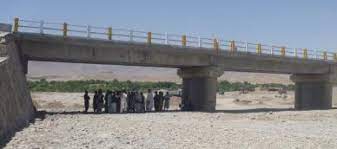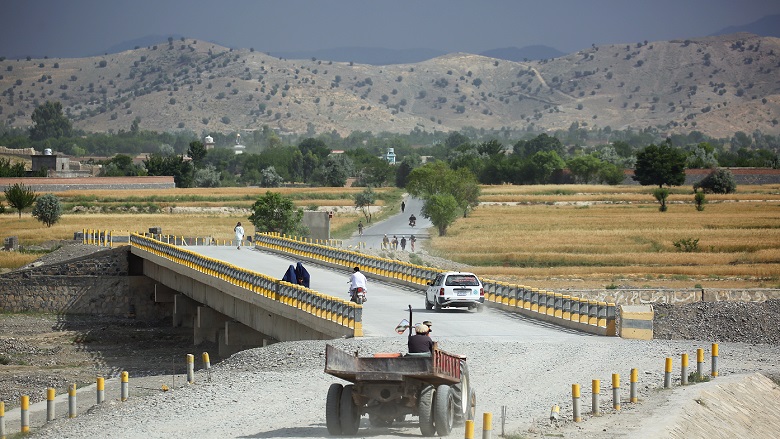
Al Watan Construction Company was able
to complete the Construction of Ghazni City Bridge with all of the Security Challenges
Constructing
a bridge in Ghazni involves several essential steps and considerations. Here is
a general overview of the bridge construction process:
1.
Planning and Design:
v Identify the location
and purpose of the bridge, considering factors like traffic volume, expected
loads, and local regulations.
v Conduct surveys and
site investigations to gather data on topography, soil conditions, hydrology,
and environmental impact.
v Engage civil
engineers, architects, and other relevant professionals to design the bridge
structure, taking into account factors like span length, foundation
requirements, and aesthetics.
2.
Regulatory Approvals:
v Obtain necessary
permits and approvals from local authorities and regulatory agencies. This may
include environmental impact assessments, land acquisition, and compliance with
building codes and safety standards.
3.
Procurement and Contracting:
v Prepare project
documentation, including technical specifications, cost estimates, and project
timelines.
v Advertise and solicit
bids from qualified contractors or construction firms.
v Evaluate bids, select
a contractor, and negotiate a contract that outlines project scope, timelines,
and payment terms.
4.
Mobilization and Site Preparation:
v Mobilize necessary
construction equipment, machinery, and materials to the project site.
v Clear the site and
prepare the foundation, which may involve excavation, soil compaction, and
installation of temporary structures.
5.
Substructure Construction:
v Construct bridge
foundations, such as deep piles or shallow footings, based on the design
specifications and soil conditions.
v Build abutments and
piers that will support the bridge structure, ensuring proper alignment and
load-bearing capacity.
6.
Superstructure Construction:
v Install bridge girders
or beams, which form the main structural elements supporting the roadway.
v Construct the bridge
deck or roadway surface using materials like concrete, asphalt, or steel,
depending on design requirements.
v Install necessary
components, including guardrails, lighting, drainage systems, and any other
features specified in the design.
7.
Quality Control and Testing:
v Conduct regular
inspections and quality control measures to ensure compliance with design
standards and specifications.
v Perform load testing
to verify the bridge's structural integrity and ensure it can safely carry
anticipated loads.
8.
Completion and Handover:
v Finalize any remaining
finishing touches, such as painting, signage, and landscaping.
v Obtain necessary
certifications and approvals from relevant authorities.
v Conduct a final
inspection to ensure all requirements have been met.
v Hand over the
completed bridge to the responsible entity or agency for maintenance and
operation.
Throughout the construction process, it
is essential to prioritize safety, adhere to construction standards, and
address any challenges that may arise. Effective project management,
coordination among stakeholders, and regular communication are crucial for
successful bridge construction in Ghazni or any other location.
Client Name |
UNOPS |
Client Company |
UNOPS Kaul |
Project Start Date |
2006-02-23 |
Project End Date |
2006-12-21 |

Shahre Naw
Kabul, Afghanistan


Monday-Friday (9:00 AM - 5:00 PM)
Saturday and Sunday: Off